This post may contain affiliate links. Please read our disclosure for more information.

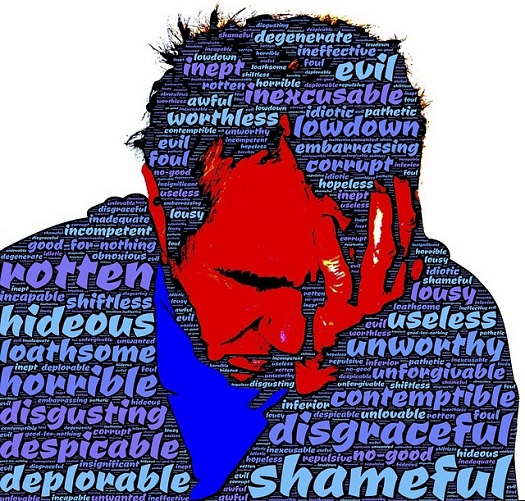
The other day I came across a very interesting opinion piece in the New York Times about rich New Yorkers. Apparently a number of rich New Yorkers are ashamed of their wealth. They even go to such drastic lengths as removing the price tags from the purchases that enter their homes, less the help happen upon unmistakable evidence of the staggering inequality that exists in this country.
The author of the piece, Rachel Sherman, ruminated on this phenomenon as follows:
“To hide the price tags is not to hide the privilege; the nanny is no doubt aware of the class gap whether or not she knows the price of her employer’s bread. Instead, such moves help wealthy people manage their discomfort with inequality, which in turn makes that inequality impossible to talk honestly about—or to change.”
She then goes on to conclude her piece with these thought-provoking words.
“Is the society we want one in which it is acceptable for some people to have tens of millions or billions of dollars as long as they are hardworking, generous, not materialistic and down to earth? Or should there be some other moral rubric, that would strive for a society in which such high levels of inequality were morally unacceptable, regardless of how nice or moderate its beneficiaries are?”
Are You a Guilt-Ridden FIRE Enthusiast?
The subject of income inequality irks me. And this is largely because I don’t accept the fashionable definition of “privilege.” To me, privilege is when you don’t have to do as many pull ups as others to pass the Marine physical (hello, female recruits). Or privilege is when you don’t have to score as high as others on the SAT to get into the Ivy League (hello, underrepresented minorities and legacy applicants of rich alumni). In other words, privilege is coercion and rule-bending that makes a mockery of honest competition and equal protection of the laws. Privilege is not when others voluntarily part with their money to buy something you have to offer. Oprah didn’t become fabulously wealthy because the federal government mandated that millions of Americans become Oprah-philes. And privilege is not when you’re born into a family with two parents. The government doesn’t give marriage licenses to some and not to others. No one’s stopping two people from getting married and improving the prospects of their offspring.
The other thing that irks me about income inequality is the solutions bandied about to end this supposed scourge. Taxing the wealthy more, for instance, won’t end income inequality. We can tax Floyd Mayweather, Warren Buffet, and Taylor Swift out their respective wazoos. But that won’t make me and all the other sorry people out there better money-makers. The free market will still give hundreds of millions of dollars to Mayweather, Buffet, and Swift and relatively little to us.
Oh, sure, taxing the wealthy more would put more money in the government’s hands. But here’s a dirty little secret you’ll never hear from the mainstream media: trickle-down government is just as ineffective as trickle-down economics when it comes to helping the sorry people. First, to get one dollar of welfare into a sorry person’s pocket, the government has to confiscate at least four dollars. Second, more welfare won’t solve the underlying problems of the sorry people. Making community college free, for instance, won’t suddenly turn bad high school students into academic rockstars. Their results in grades 13 and 14 will be just as dismal.
Okay, groovy freedomists, let me take a few deep breaths. I admittedly went off the rails there a little bit. Time to rein it back in.
My rant above was just my ham-fisted way of saying that I don’t feel guilty for my wealth, or my financial independence. Success in this country is still largely habit based. You adopt sound financial habits and you’ll do fine. So why should I feel guilty for adopting habits that every American is free to adopt? And if I should, what other good habits are people supposed to feel guilty about? Are non-smokers supposed to feel guilty about their “healthy-lung privilege” over smokers? Are those who bike to work supposed to feel guilty about their “proximity privilege” over those who have little choice but to drive to work in pollution-belching cars?
Many of the people who read this blog are FIRE enthusiasts; that is, many of the people who read this blog have adopted sound financial habits and are making great strides toward financial independence. And I’m curious about their views. Ms. Sherman eloquently recounted two interesting facts. Wealthy people are one of the official villains of big education and big journalism in this country, and this demonization campaign has rendered many wealthy people psychologically neutered. So what say you? If you’re kicking ass financially, do you feel guilty about it? Do you believe that your success comes at the expense of others—that the government forces people to give you money or be nice to you, or that the government won’t let some people adopt sound financial habits? I’d love to hear your thoughts.
Final Thoughts
Okay, groovy freedomists, other than another compelling episode of Talking Trash, that’s all I got. Hope all is groovy in your neck of the woods. Peace.


Leave a Reply to Linda at Brooklyn Bread Cancel reply