
This post may contain affiliate links. Please read our disclosure for more information.

I’m a fraud. Or at least that’s how I often feel. Yes, groovy freedomists, I suffer from impostor syndrome. Oh, yeah, I’m a big tough guy. I’m financially independent. But I don’t have any kids. And when Mrs. G and I left high-cost New York for low-cost North Carolina in 2006, we arrived with no debt and over 250K in cash (we sold our condo just before the Fed-induced housing boom went bust). But what if we moved to Charlotte with little savings and a couple of kids? Would we be financially independent now? Probably not. So Mrs. G and I really respect people who beat the odds, who live in a high-cost state or city, have kids and normal jobs, and still manage to save and invest. Enter Linda from Brooklyn Bread.
Linda lives in Brooklyn, New York, with her husband and two kids. And for those of you who might not know, New York is a very expensive city. In fact, I was in Manhattan a week ago (my nephew got married), and I nearly had a heart attack when I opened the menu at Junior’s Cheesecake in Times Square. Thank god my brother-in-law was paying. But Linda and her husband, with a whole lot of guile and moxie, have managed to build a beautiful life for themselves in high-cost New York. And Mrs. G and I love reading her take on family, kids, living in Brooklyn, saving money, and retirement. Great freakin’ stuff. Linda is no impostor. She’s the real deal. And here’s her take on how to save money in a high-cost city. Enjoy.
I know a lot of people who, like me, love their home, but really struggle with the cost of city life. Not only do I live in one of the most expensive cities in the world, I live in one of the most expensive neighborhoods in the city! How the hell did I end up here? Well the simple answer is that it was not always this way.
I moved to my neighborhood 16 years ago when it was the cheaper alternative to Manhattan. In the last decade and a half, it has attracted a massive influx of extremely wealthy people and transient international professionals, turning it into a much more expensive proposition. I am a publicist and my husband works for a Catholic humanitarian organization—we have normal salaries in a not normal place.
Many people will say that the smart thing to do is to just move someplace cheaper. But what if you really love your home? And what if living near family and friends and not spending your life commuting is more important than saving a few bucks?
Thus, the inner dialogue of many an ordinary urban dweller: stay in a brutally expensive place I love, or move someplace affordable that I don’t.
My family stayed. We live peacefully with this decision by calling on survival strategies that we’ve honed through the years. Finding ways to save money is important. But equally essential is something that, happily, we have far more control over: Life always comes down to how you look at things.
The mind can transform our perception of life. If, in my mind, I believe having a bigger home and a yard is what I need to be happy, then I will never be happy here. Many people do need that, which is understandable. But for those, like me, who truly love where they live, the number one trick is to adjust your mind. Not the size of your house.
If you really start paying attention to where your happiness and satisfaction come from, doors begin to unlock. No life is perfect. Everyone makes trade-offs. Of course, much of the world lives in unspeakable deprivation. Keeping sight of this offers perspective when you make judgments about wants and needs.
But there’s no way around it: The more creative you are about money, the more bearable the struggle becomes. Especially with the big stuff. So how does a regular family find frugality while living in a monument to…whatever the opposite of frugality is?
HOUSING
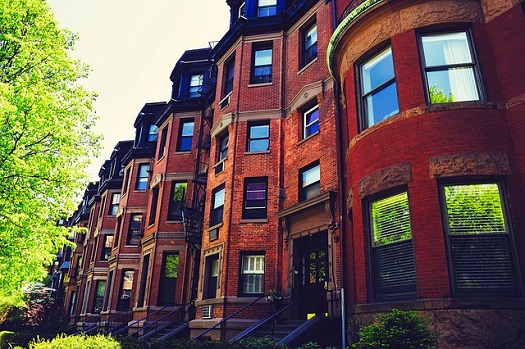 This is The Big Expense. It is one of those areas where expectations must be adjusted. If you love living in a city, you are hopefully somewhat primed to the idea that the world is more about outside your door than inside. It would be nice to have a larger home. But the question one has to really think about is this: would it be transformative to my happiness to have more space?
People tend to place a lot of importance on things that ultimately are not material to their happiness.
As a renter I have often gotten down about not owning. Then one day I had an epiphany: if I didn’t know I was renting, would my life be much different? Aside from choosing my cabinets and having an enhanced sense of control, which may or may not be an illusion…no. I would love to have the security of owning. Or the luxury of a spacious home. But would I be significantly happier in my soul? I think the answer is no.
Renting is without question the cheaper option in a very expensive housing market like New York City. Renting from a small time landlord has its disadvantages, but if you stick around for a while and are a good tenant, you may just beat the market. Every landlord has a horror story. My own parents do not even bother renting their empty apartment downstairs after bad experiences. If you’re a good tenant, especially if you live in the same building with your landlord, they will keep your rent down. Good tenants will always trump the potential unknown disasters of new higher-paying tenants. We’ve stayed put for 12 years and we pay a lot less than all the newcomers on our block.
I used to fret that my children are not growing up with a yard, or bigger bedrooms, like I had. But they have had so many cool experiences that I did not. They have a happy childhood. Anything beyond that is over-thinking. Children are amazing…the world they inhabit is not bound by four walls. By the time they’re big enough that it’s not, they’re a stone’s throw from college. Do I really need a huge house for, like, the four years they’re in high-school?
A friend of mine just had to downsize her enormous apartment. Her children graduated college and moved into their own apartments. It was painful for her. Downsizing…it’s such a modern and depressing concept.
CHILDCARE
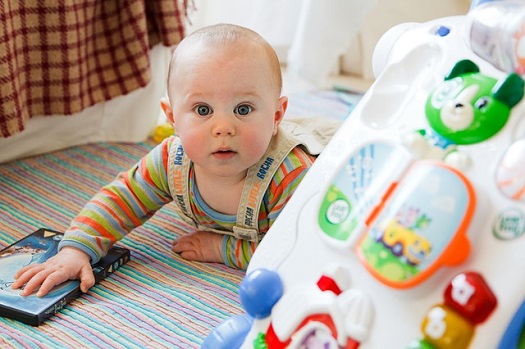 If you’re a middle class family in an expensive area, chances are everyone is working. Childcare is the big challenge after housing. Daycare is expensive. So is hiring a nanny. The choice is not easy. We’ve always hired babysitters, because I think it is better, and cheaper, when you have more than one kid. But we have always been uncomfortable having another person’s livelihood in our hands. Our finances always felt so tenuous; how could we ensure someone else’s security? Babysitters need to get paid even if you go on vacation, or if they’re sick.
There is no way around this expense when you have a baby. You need someone experienced that you can trust. But don’t despair. This is a finite period of time (though you may sometimes wish it lasted forever).
By the time kids are about 4, you can consider a college student for babysitting, which can be more affordable than a career nanny. This has taken a lot of the pressure off our family. We found a trustworthy, hard working student in our local parenting forum. I always pay her for extra hours when I can, but because she is young, part-time and not paying her family’s bills, I feel it is okay not to pay her for every vacation and holiday as I would a professional nanny.
Making friends with moms and dads who can help and with whom you can trade favors is a must. It is very difficult for working parents to survive without support from peers.
I enrolled my first son in Pre-K at the age of two and spent a fortune. Then I wizened up with kid number two. I realized it wasn’t necessary for my son to reach his junior year of Pre-K before graduating to Kindergarten. If you’re using Pre-K for childcare, yes. But if you’re also still paying a babysitter, the combined expense can be back-breaking.
Finally, I found our savior: religious education (sorry for the pun). It is amazing how much cheaper it can be, and in our case, higher quality. I went to Catholic school, so I was okay sending my son to a great Catholic school for a fraction of the cost of his nursery school. This helped cut our Pre-K tuition costs significantly.
FOOD

Never-ending food and dining options are fun. But our family used to spend $1500 a month on groceries, on average. Crazy as that is, I’m sure a lot of families fall into many of the traps we did, being busy and just not paying attention. That cost us dearly until we completely revamped the way we shop, reducing our food spending a good $500 per month, minimum.
First, we got over our fear of buying in bulk. Costco and Jet.com save us a lot of money. My husband and I stopped shopping independently of each other and we sync shopping lists on our phones with the Grocery iQ app. We no longer over-optimistically buy food for meals further than three nights out. Sometimes you come home from work and you Just. Can’t. Cook. If you’re buying ingredients a week out and this happens often enough, food is going in the garbage. Take advantage of living in the city and embrace small shopping trips. But only for meal staples. Do not buy toilet paper at the deli!
I’m not going to tell you to bring your lunch to work every day. If you can, you’re better than me. I enjoy having lunches at work that I wouldn’t make for myself. But I bring incidentals—drinks, chips, snacks, etc.—that I buy in bulk. It’s a small change that saves me $50 a month or more.
THE FRUGAL MINDSET
 I do everything I can to save money. Things that work the same no matter where you live. I am fanatical about shutting lights. I turn my cable box power surge off every day—I see these things in my electric bill. Every drop of toothpaste is used before opening a new one. I walk or take the subway. I cut up scrap paper that my kids half use for coloring. I use newspaper to Windex and paper towels for almost nothing. I enjoy every free business meal and eat out rarely with the kids. Every scrap of uneaten chicken goes to the dog. We don’t spend a lot on vacation, much as we would like to travel more with our kids.
When I have done the math of buying a house in the suburbs, a lot of numbers surprised me. Commuting, utilities, taxes, maintenance, gas—these things really add up. Living in the city is cheaper in some ways. But not when it comes to the extra-curriculars. The accepted wisdom is that it’s better to spend money on experiences rather than things. But experiences can send you to the poor house too. And in a big city, you are bombarded with enticing options, especially for kids. From fun classes to sports to just going to the movies. Saving money on kids’ activities could be a full time job. I’ve stopped putting pressure on myself to do everything, especially things that are too costly.
There are so many free or inexpensive alternatives. That is why you live in the city! Free bird-watching walks in the park, strolling down the main drag, award-winning playgrounds, cozy libraries, playing with neighbors on the stoop. This is actually a key area of happiness—friendships with neighbors in close proximity. It’s a beautiful thing, and while much food and alcohol is often consumed, especially at the height of summer, it’s on the stoop and not at a bar. And no taxis home. Now if there’s a better frugal living tip than that, I don’t know what it is. Make friends with your neighbors, save money.
Having a rich life on a budget in a big city is not as hard as some people think. Let go of everything society tells you that you need in order to have a good life. Instead, notice what actually gives you pleasure every day. City life is not for everyone, but for those who love it, it is possible to make it work—even on a budget.


Leave a Reply to Linda at Bklyn Bread Cancel reply